The MOO DUK KWAN 무덕관 and Tang Soo Do 당수도 - Part VI
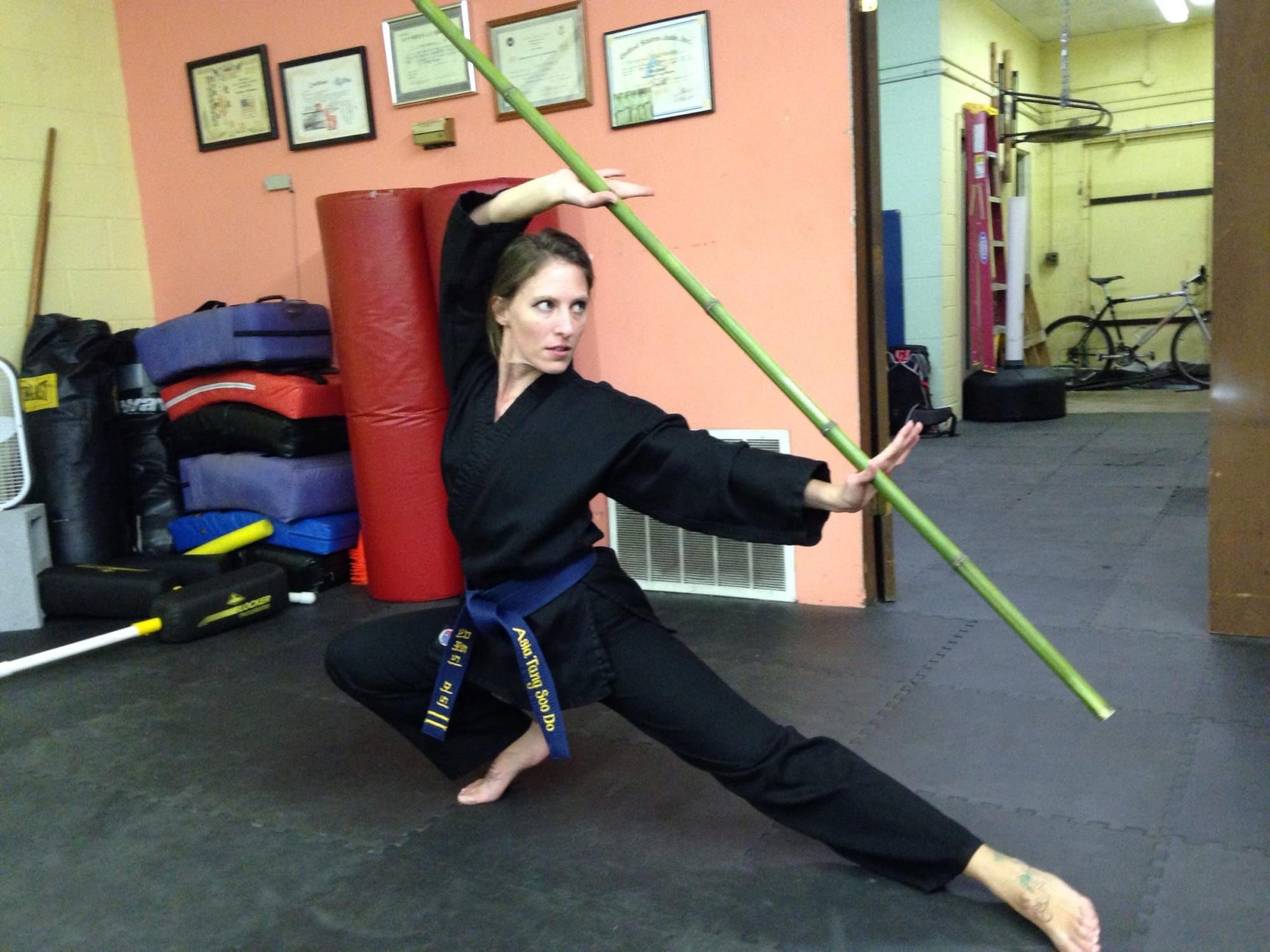
Technical Distinctions: Tang Soo Do vs. Soo Bahk Do Today
What Separates the Two Arts
Given that both Tang Soo Do (in its various independent organizational forms) and Soo Bahk Do (in the official Moo Duk Kwan) descend from the same foundational curriculum Hwang Kee developed between 1945 and the late 1950s, the question of what technically distinguishes them is important.
Shared Curriculum
All Tang Soo Do and Soo Bahk Do schools share a classical foundation: Kicho forms (or Sae Kye in WTSDA schools), the five Pyung Ahn forms, Bassai, Naihanchi, Sip Soo, Rohai, and Kong Sang Koon. These forms reflect the art's Okinawan Karate ancestry, filtered through Hwang Kee's Korean adaptation. Most organizations also share, in broad outline, the fundamental hand-and-foot techniques, sparring patterns (Il Soo Sik Dae Ryun), and self-defense applications (Ho Sin Sul).
Distinctive to Soo Bahk Do / Official MDK Lineage
The clearest technical markers of the official Moo Duk Kwan (Soo Bahk Do) are the Chil Sung Hyung (seven forms created by Hwang Kee in 1952) and the Yuk Ro Hyung (six forms derived from the Muye Dobo Tongji after 1957). Neither set is found in most independent Tang Soo Do organizations. Schools that teach the Chil Sung forms — even if they call their art Tang Soo Do rather than Soo Bahk Do — signal a closer connection to the later Moo Duk Kwan curriculum.
Additional distinguishing characteristics of official MDK/Soo Bahk Do: a stronger emphasis on Hu Ri (hip rotation) as a power-generating principle; a slightly softer, more Chinese-influenced aesthetic in technique execution; standardized Ho Sin Sul and Il Soo Sik sets; the Dan Bon number system (a unique global identification number assigned upon earning the midnight blue belt rank, with over 50,000 issued as of 2019); and the mandatory midnight blue belt, codified in official MDK schools.
Distinctive to Independent Tang Soo Do
Independent Tang Soo Do organizations tend to preserve the classical curriculum as it existed during the Tang Soo Do period — before the Chil Sung and Yuk Ro developments. Many use black belts rather than midnight blue. Curricula vary significantly among organizations: the WTSDA uses the Sae Kye Hyung as entry-level forms rather than the Kicho set, reflecting Shin's systematization. Many schools use a ten-geup (grade) colored belt system with an orange belt added after white — an innovation introduced in the 1970s. American Tang Soo Do also incorporates Judo throws, boxing, and other Western combat influences absent from the original Moo Duk Kwan curriculum.
A Practitioner Perspective on the Difference
"The Moo Duk Kwan is using and emphasizing different forms than the original Tang Soo Do forms. If you did have a 1st Dan in Tang Soo Do, then you probably will be more familiar with the older canon of forms rather than the newer sets that are emphasized in Soo Bahk Do... There is slightly more Chinese influence to SBD and generally more exaggerated use of Hu-ri. The Tang Soo Do schools that I was a part of were a bit harder than SBD, but the essence is still the same." — Practitioner discussion, MartialTalk.com forum (2009), cited as representative community perspective.
In Part VII, The Name, the Trademark, and the Identity Question